Käthe Kollwitz
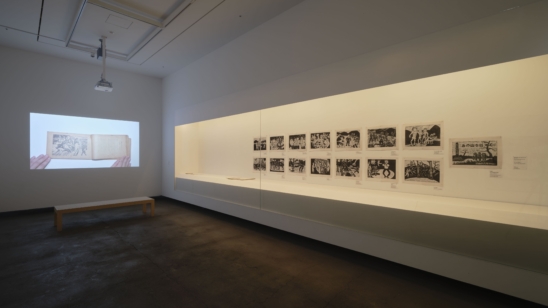
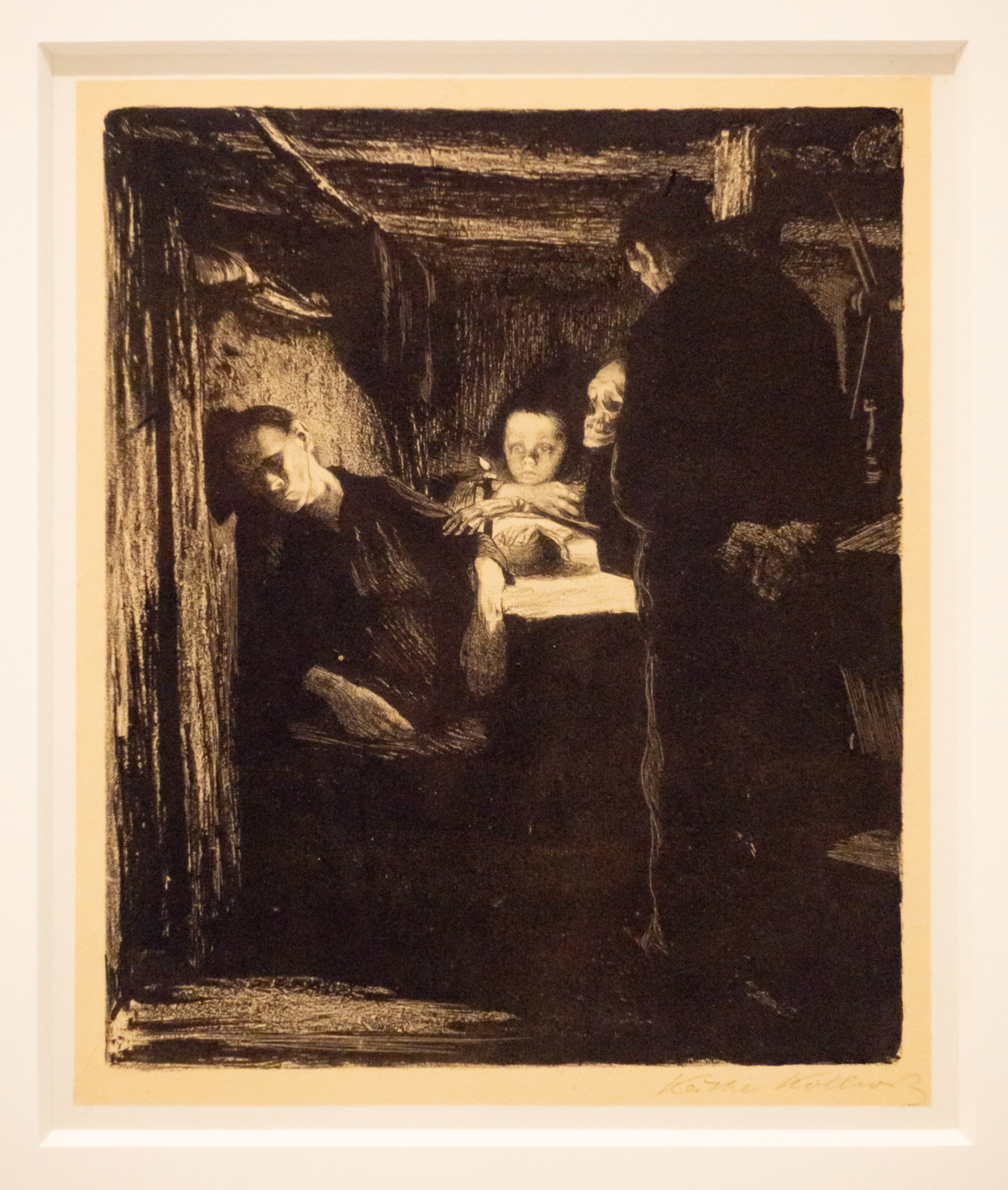
Born 1867 in Königsberg, Germany (now the Russian exclave of Kaliningrad), Kollwitz was strongly influenced by printmaker Max Klinger while studying painting in Berlin, leading her to adopt the medium in 1890. In 1891 she relocated with her physician husband to a working-class Berlin neighborhood, where out of deep empathy for the community, she dedicated her practice to portraying their lives. Kollwitz gained widespread recognition for series such as The Weavers’ Revolt (1893–97) and The Peasants’ War (1908), capturing the plight of laborers and the miseries of war. Created out of solidarity with humanity, her work continues to inspire people worldwide, leaving a lasting mark on initiatives ranging from Chinese woodcut and Japanese print movements to South African artists resisting Apartheid. In her later years, having lost both her son and grandson to the two World Wars, she created Seed for the Planting Must Not Be Ground, a depiction of a mother defiantly shielding her children under her arms. Kollwitz passed away in 1945.
- Kathe KOLLWITZ "Ein Weberaufstand - Tod" :
- 1893-97